
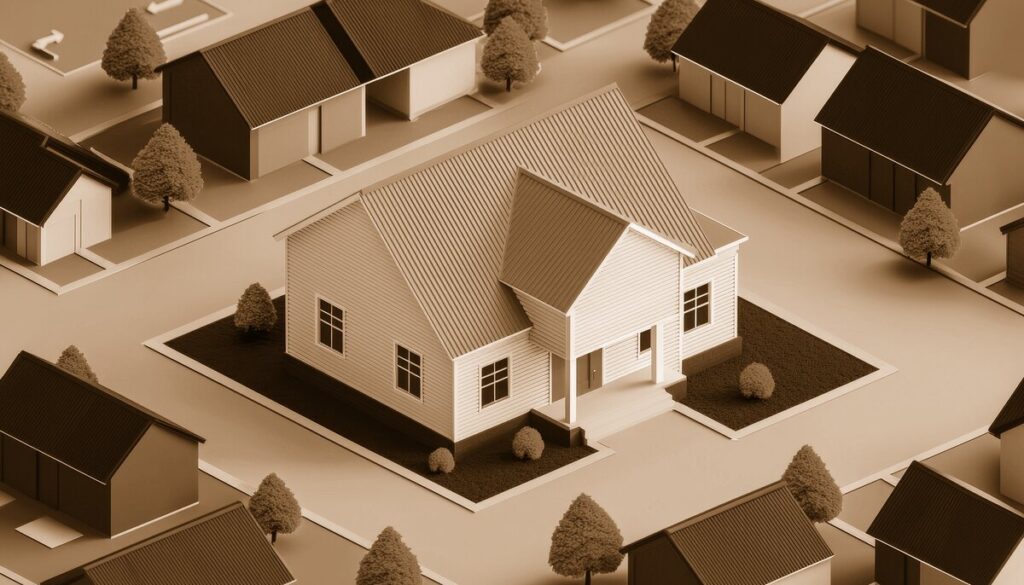
Nestled within the Town of Hempstead, the neighborhood of Woodmere stands as a testament to Long Island’s evolution from rural farmland to vibrant suburb. Known for its tree-lined streets, historic homes, and tight-knit community, Woodmere offers residents and visitors a glimpse into the past while remaining a cherished place for generations of families.
Origins of Woodmere: From Wilderness to Welcoming Community
Woodmere’s story begins in the 17th century when European settlers started moving east from the original English settlements on Long Island. The land that would become Woodmere was initially dotted with woodlands and meadows—hence, its eventual name: "Woodmere," a nod to both the forested landscape and the tranquility that early residents found by the tidal creeks and inlets of the South Shore.
For centuries, the area’s natural beauty attracted farmers and fishermen, whose livelihoods depended on the bounties of land and water. The salt marshes near present-day Woodmere Park teemed with wildlife, shaping the local rhythms long before suburban streets were paved.
How Woodmere Got Its Name
Around the mid-19th century, as the Long Island Rail Road extended its tracks eastward and the Five Towns began to gain distinction, woodlands and open spaces remained the area’s most defining feature. In 1869, as efforts mounted to establish a new stop on the LIRR’s Atlantic Avenue branch (now the Long Beach branch), residents decided to distinguish their neighborhood by emphasizing its wooded character and proximity to serene waters—thus, "Woodmere" became the formal name.
Key Historical Milestones
- Railroad Arrival and Growth (1869 onward): The arrival of the Long Island Rail Road station at Woodmere Avenue transformed the community. Suddenly, it was easily accessible from New York City, and wealthier urbanites began building summer homes. The Woodmere Club, opened in 1912 on Peninsula Boulevard, gave the community its first local country club and golf course, a hallmark of the area’s genteel reputation.
- Religious and Educational Institutions: In 1882, Congregation Sons of Israel was founded, becoming one of the earliest Jewish congregations in the Five Towns—a testament to the neighborhood's growing and diverse population. Lawrence High School, located on Central Avenue, soon served as a hub for education, community gatherings, and spirited high school rivalries.
- The Early 20th Century: Woodmere’s growth accelerated after World War I, with stately colonials and Tudors springing up along streets like Broadway and Meadow Drive. The community carefully preserved green spaces such as Nature Study Woods—today a beloved woodland and walking path behind Woodmere Middle School.
- Synagogues and Houses of Worship: By the 1950s, with the postwar suburban boom, Woodmere became renowned for its thriving Jewish community. Beautiful synagogues like the Temple Hillel of North Woodmere, located on Rosedale Road, reflect this lasting heritage.
Notable Landmarks and Buildings
- Woodmere Club: Once the center of social life for the area’s elite, this historic country club boasted a renowned golf course and elegant clubhouse before its recent closure was mourned by many residents.
- Lawrence High School: Located just over the border in neighboring Cedarhurst, its sprawling campus has educated generations of Woodmere children.
- Congregation Sons of Israel: Serving as a cornerstone for Woodmere’s Jewish community for over a century.
- Old Woodmere Station: The original LIRR station, though now replaced, stood as a symbol of progress and connection for generations.
- Woodmere Park: This sprawling local park off Peninsula Boulevard features playgrounds, athletic fields, and walking paths. It’s a beloved gathering place, especially in the spring and summer months.
Streets and Institutions That Tell Woodmere’s Story
Strolling down Woodmere Boulevard, past the gabled homes and manicured lawns, it’s easy to imagine the historic families who once commuted from the city to their country retreats. Broadway, the main commercial thoroughfare, still features some original storefronts nestled among modern shops, old delis, and kosher bakeries.
The intersection of Peninsula Boulevard and Branch Boulevard marks a bustling corner at the neighborhood’s heart, representing how Woodmere has balanced growth with community traditions. Schools like Woodmere Middle School and local libraries are not only centers of learning, but also standing reminders of the area’s generational continuity.
Evolution Through the Decades
Woodmere’s rich history is mirrored in its architecture. The Victorian and Tudor homes built during the early 20th-century expansion give way to the split-levels and ranch houses of the 1950s and 1960s along streets like Howard Avenue and Ivy Hill Road. Over the decades, the neighborhood has adapted to changing demographics—with diversity deepening and new families finding their place amongst the old.
Today, Woodmere is synonymous with excellent schools, vibrant religious life, and a welcoming spirit. While some beloved landmarks have closed or changed, new traditions continually emerge, blending the old and new. Community events—from summer concerts in the park to outdoor markets along Broadway—keep the small-town feel alive.
What Makes Woodmere Special
Ask any lifelong resident or newcomer, and you’ll hear about more than just the history. There’s a sense of connection in Woodmere—a place where generations gather for bagels on Sundays, where children bike to the park and adults stroll the streets, greeting neighbors by name. In many ways, Woodmere is not just a point on the map, but a living tapestry of families, faith, and friendship.
Heritage Preserved, Future Embraced
As Woodmere continues to evolve in the 21st century, its heritage remains visible in the leafy streets, the buzzing storefronts, and the vibrant community life. Whether you’re visiting a synagogue on Sabbath, attending a school play at Lawrence High, or simply strolling through Woodmere Park at sunset, the history and heart of Woodmere are always close at hand.
For those who call it home, Woodmere isn’t merely a neighborhood—it’s a legacy passed from one generation to the next, each adding a new layer to its remarkable story.